You Lit the Wood Stove for the First Time This Week. Your Carrier May Not Know It Exists.
Wood stoves and inserts draw more underwriting questions than furnaces. Here's what your carrier wants documented, and how to do it.
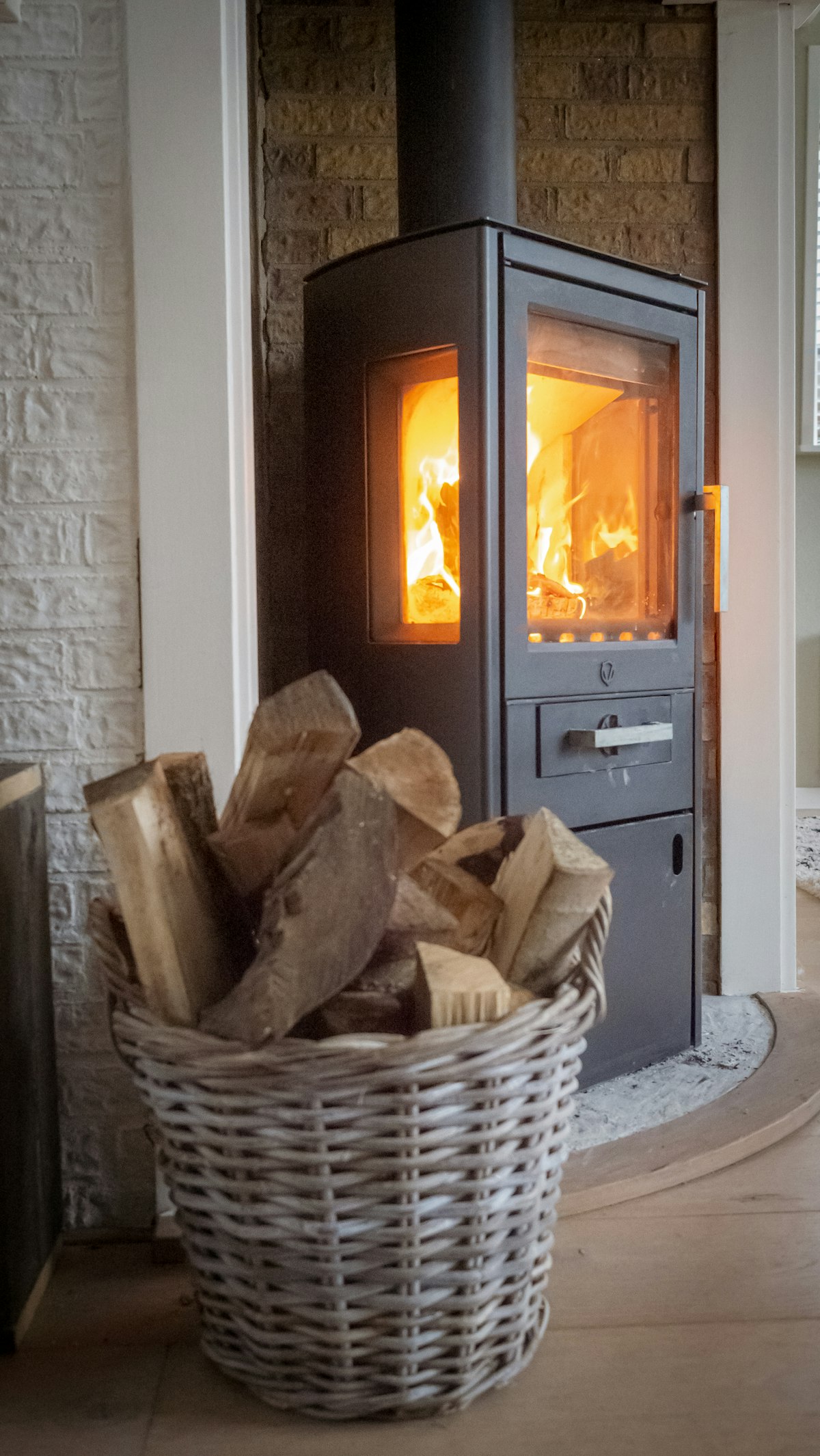
If you lit a wood stove or fireplace insert for the first time this week, your insurer may have no record that it exists. Heating equipment starts about 38,881 U.S. home fires a year and kills 432 people, according to National Fire Protection Association averages for 2019 to 2023. Underwriters know those numbers, which is why solid-fuel appliances draw more questions than a furnace does.
The application question you (or the prior owner) answered
Most homeowners applications ask whether the home has a wood stove, a fireplace insert, or another solid-fuel heat source. Some ask whether a professional installed it. If the prior owner or you answered from memory at closing, that answer is now the baseline your carrier is working from.
This is not a trap. A carrier prices a house based on what it knows, and a stove changes the fire risk. The gap is informational: the question sits on a form you filled out once, months before the first cold snap.
Here's what most people don't know: a stove that was in the house when you bought it still counts as yours. You didn't install it, but you light it, and the carrier's questions apply to you the day you do.
What an underwriter wants to see
Five things come up again and again.
- A listing plate. A metal tag on the back of the stove shows the testing lab, the model and the required clearances. A "listed" stove was tested to a safety standard. An unlisted one, such as an old homemade or imported unit, is the hardest to insure.
- Clearances to combustibles. The listing plate states how far the stove must sit from walls, ceilings and furniture. For unlisted stoves, 36 inches is the figure commonly cited.
- A hearth pad. A non-combustible floor protector that extends past the stove's door and sides.
- A sound liner. The chimney or flue the stove connects to has to be rated for solid fuel and in good shape.
- Professional installation. Many carriers ask for proof, such as an invoice or a permit.
You can check the first three yourself in about ten minutes. The last two take a certified professional.
Stoves, inserts and pellet appliances
Carriers do not treat every solid-fuel appliance alike. A freestanding wood stove has exposed hot surfaces and needs the widest clearances. A fireplace insert sits inside an existing masonry fireplace, so the liner connecting it to the flue matters most. Pellet stoves burn compressed fuel and vent through a small pipe, and many carriers view them as lower risk, though they still ask about them.
The same appliance can be rated differently at different carriers. If one carrier surcharges or declines a stove, a specialty or private carrier may handle it, so the answer is not always "remove the stove."
The inspection: who, what and how much
Look for a technician certified by the Chimney Safety Institute of America (CSIA) or the National Fireplace Institute (NFI). Ask for a Level 2 inspection if you have never had one. It includes a camera scan of the flue and is the level generally recommended when a home changes hands or a new appliance is connected. Expect a few hundred dollars, depending on region.
After the visit, ask for a written report. It should name the appliance, list the clearances measured, describe the liner condition and note the date. That paper is what an underwriter will ask for. Annual cleaning and inspection before the heating season is the standard advice, and a dated sweep receipt each fall builds the record.
If the stove was there when you bought
You can't produce an installation invoice you never received, but you can build a record of what is there today. Photograph the listing plate, the hearth pad, the distance from stove to nearest wall, and the stovepipe where it passes through the ceiling or wall. Then get the certified inspection and keep the report next to those photos.
If the plate is missing or unreadable, say so, and ask the inspector to document it. A carrier can work with an honest gap. It cannot work with a stove that no one disclosed.
Disclosing it: surcharges and cancellation risk
Disclosure can raise your premium modestly, and some carriers will require an inspection certificate before they renew. That is the cost of being accurate, and it is almost always smaller than the cost of the alternative. A carrier that discovers an undisclosed stove after a fire may dispute the claim, and one that finds it earlier may non-renew the policy.
Call your agent before the next heating season is in full swing and ask three things: does the policy as written cover a stove, what documentation do they want, and what changes if you add or remove it. Get the answer in writing.
The one-page stove file that answers every renewal question
A single page covers most of what a carrier will ever ask: the appliance model and listing plate photo, install or inspection date, the clearances you measured, the liner type, and the last sweep date. Keep it with your other home records and update it each fall.
This is where Rafter fits. A Rafter assessment captures the stove's listing plate, clearances and chimney condition as part of your home's dated record, then builds a prioritized mitigation plan for anything that falls short, such as a hearth pad that is too small or a sweep that is overdue. When the renewal questionnaire asks about solid fuel, your answer comes from documentation instead of memory, and your agent has what they need to go to carriers on your behalf.
Your next step this week: go to the stove with your phone, photograph the listing plate, the hearth pad and the nearest wall, then book a certified chimney inspection before you burn another cord. Start your Rafter assessment at rafterhome.com and the record builds itself.