What PURE and Chubb Look for in a High-Value Home Assessment — And How to Prepare
Private carriers conduct their own risk assessments — and homeowners who arrive prepared are in a fundamentally different position. Here's what to bring.

When PURE or Chubb sends an assessor to your home, they're not doing you a favor — they're building a risk file. What's in that file determines your premium, your coverage terms, and in some cases whether your policy renews at all. Most high-value homeowners show up to that process completely unprepared, which is a significant mistake you can easily avoid.
Why Private Carriers Assess Differently Than Standard Insurers
Standard insurers largely price on aggregate data: your ZIP code, your home's square footage, your claims history. Private carriers like PURE and Chubb operate differently. Their underwriting is property-specific, which is exactly what makes their coverage better — and exactly what makes their assessment process more rigorous.
Chubb's Masterpiece program includes a complimentary home appraisal that documents your home's architecture, finishes, and condition in detail — enough to fully restore it after a covered loss. PURE's Risk Managers conduct site visits that go well beyond replacement cost verification, evaluating structural systems, site-specific hazards, and the home's overall resilience profile. Both carriers use this data to set not just your premium, but your coverage terms.
Here's what most homeowners don't realize: these assessments aren't standardized inspections with pass/fail outcomes. They're nuanced underwriting exercises. Two homes of identical size and value in the same town can come out with materially different coverage terms depending on what the assessor finds — and how prepared the homeowner is to contextualize it.
The Four Risk Categories That Drive Underwriting Decisions
Private carriers evaluate your home across four core risk categories. Understanding what they're looking for before they arrive changes the nature of the conversation.
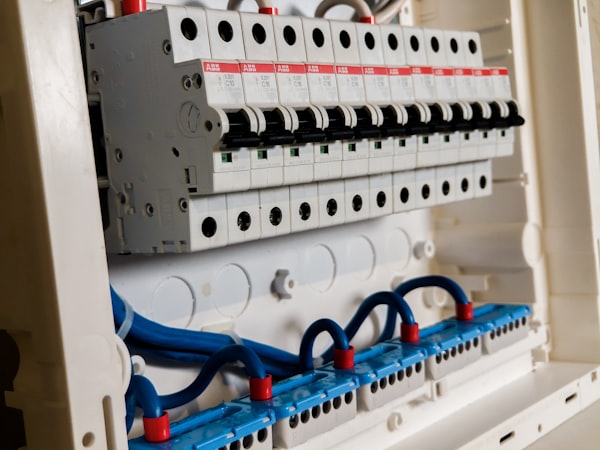
Structural systems. Roof condition is the top concern for most carriers. The premium gap between a roof under five years old and one that's 11–15 years old has widened significantly — reaching $155 annually at the average level, and considerably more for high-value homes. But it's not just age: material, installation quality, and documented maintenance history all factor in. Electrical systems are the second major concern. Older homes with original panels, aluminum wiring, or knob-and-tube configurations face surcharges or eligibility questions before any other factor is considered. Plumbing materials — specifically the presence of galvanized steel, polybutylene, or certain types of CPVC — round out the structural picture.
Site and location hazards. Wildfire exposure has reshaped underwriting across much of the West and Southwest. PURE's Wildfire Mitigation Program automatically enrolls members in fire-prone states, including California, Colorado, Texas, Oregon, and ten others, in a proactive assessment that evaluates defensible space, combustible materials, and property access. For homeowners in the Northeast, flood exposure, mature tree proximity, and drainage infrastructure are the site factors that carry the most weight.
Protective systems. Central station monitoring, water leak detection, automatic shutoffs, and whole-home generators are the single highest-impact category for premium outcomes. PURE offers complimentary Ting electrical fire monitoring and LeakBot water sensors to eligible members — not as a courtesy, but because these devices measurably reduce the claims they pay. The discount potential from a fully documented protective systems profile can run 15–25% for high-value properties. The operative word is documented: a device that isn't on file with your carrier doesn't reduce your premium.
Maintenance and documentation history. This is the category where most homeowners leave the most value on the table. Carriers want evidence that the home has been actively maintained — not because of bureaucratic process, but because deferred maintenance is the leading predictor of major claims. Service records for HVAC and plumbing systems, receipts for roof repairs, inspection reports from prior years: these tell a fundamentally different story than a home where no such records exist.
What Documentation Your Carrier Wants (and Rarely Gets)
When a PURE or Chubb assessor walks your property, they're filling in a risk profile. The items they can't verify on-site, they'll either estimate conservatively or flag for follow-up. Both outcomes work against you.
The documentation that changes the conversation most reliably:
- Roof inspection reports and repair invoices — especially if your roof is older than ten years. A documented inspection from a licensed contractor in the past 12–24 months signals active management, not deferred risk.
- Electrical system records — panel upgrade documentation, any licensed electrician work in the past five years. If your home has been rewired or had a panel replaced, that paperwork is worth real money at renewal.
- Plumbing service records — particularly relevant if you've had any pipe repairs, a water heater replacement, or shutoff valve upgrades.
- Protective device installation receipts and monitoring certificates — the specific documentation your carrier needs to apply a discount. Installation date, device model, monitoring provider, and account number.
- Appliance and system replacement dates — HVAC, water heater, sump pump. These systems have actuarial age curves; knowing where you are on those curves helps you frame the conversation accurately.
Most homeowners can locate some of this documentation with effort. The challenge is that it's typically scattered across email inboxes, file drawers, and contractor invoices — not organized in a format that's useful during an assessment conversation.
Common Findings That Trigger Coverage Adjustments
Private carrier assessments don't usually result in outright denials — they result in coverage conditions. Understanding the common triggers helps you address them before they become surprises on your renewal declaration.
Roof age without documented condition. A 15-year-old roof with no inspection record is an underwriting liability. The same roof with a current inspection showing good remaining life and no deferred maintenance is a documented asset. The difference is a piece of paper.
Electrical panel or wiring concerns. Homes built before 1980 with original electrical panels frequently generate condition requirements at assessment — either a licensed inspection or a panel upgrade before coverage renews. This is a predictable finding for older homes in Westchester, Greenwich, and Fairfield County. Knowing it's coming allows you to get ahead of it.
Absence of water detection systems. For a home valued at $2M or more, the absence of leak detection — particularly a whole-home shutoff valve or monitored sensor on the main supply — is increasingly flagged as a gap. It won't disqualify you from coverage, but it will influence your premium and may generate a recommendation that carries renewal implications the following year.
Deferred exterior maintenance. Unpainted or weathered trim, deteriorating masonry, cracked driveway surfaces adjacent to the foundation — assessors note these as maintenance indicators, not cosmetic issues. They signal a broader pattern of deferred attention that underwriters factor into their risk read.
Tree proximity. Mature trees within falling distance of the structure are a consistent finding for older properties in the Northeast. Some carriers require documentation of arborist assessment or trimming for trees above a certain height and proximity threshold.
How to Use Your Own Assessment to Lead the Conversation
The homeowners who navigate private carrier assessments most effectively don't wait for the carrier to define the risk profile of their home. They arrive with one already prepared.
This isn't about gaming the system — it's about accuracy. Carrier assessors are working from limited information, often gathered in a 60-to-90-minute site visit. A homeowner who can hand them a documented assessment that covers all four risk categories — structural systems, site hazards, protective devices, and maintenance history — is giving them better information. Better information produces better outcomes.
Rafter's AI-powered home assessment is built specifically for this moment. It systematically maps your home's risk profile across the categories that matter to private carriers, generates a prioritized mitigation plan tied to your home's specific vulnerabilities, and produces the documentation structure that makes the carrier conversation productive. When PURE or Chubb sends their assessor, you're not discovering your risk profile at the same time they are. You already know it — and you've already addressed the items that needed addressing.
The practical effect: you control the narrative. Instead of a carrier assessor generating findings that feed into your renewal terms, you're presenting a documented story of a well-maintained, actively risk-managed property. That's the position every high-value homeowner should be in. Most aren't, because no one told them it was an option.
Spring: The Ideal Window for Getting Ahead of Renewal Season
For most homeowners in Westchester, Greenwich, and Fairfield County, renewal notices land between May and August, reflecting the concentration of purchase closings in late spring and early summer. That makes right now — the end of March, beginning of April — the optimal window to get your documentation in order.
The practical timeline works like this: a home assessment in late March or April gives you six to eight weeks to address any findings before a carrier assessor visits. Roof repairs, panel inspections, and protective device installations can all be completed within that window. The documentation from those actions — receipts, inspection reports, monitoring confirmations — is ready to present when your renewal conversation begins.
Spring also opens the exterior assessment season. Winter limits what assessors can evaluate; spring thaw reveals drainage issues, foundation concerns, and exterior deterioration that weren't visible in December. Getting your own assessment done first means you see what they'll see — before they see it.
If your policy renews in the back half of the year and you're reading this in spring, you have more runway than most. Use it. The homeowners who get ahead of their renewal cycle with documented risk management consistently see better outcomes than those who engage reactively when the notice arrives.
Start with Rafter's home assessment at rafterhome.com. You'll come out of it with a clear picture of your home's risk profile — the same picture your carrier is trying to build — along with a prioritized action plan and the documentation structure to support your next renewal conversation. It's the preparation that most high-value homeowners don't know they should be doing, and that PURE and Chubb assessors rarely see.