The Electrical Panel Nobody Mentioned at Closing Can Cost You a Policy
A Federal Pacific or Zinsco panel can block a homeowners policy. Here's the replacement sequence and the proof carriers accept.
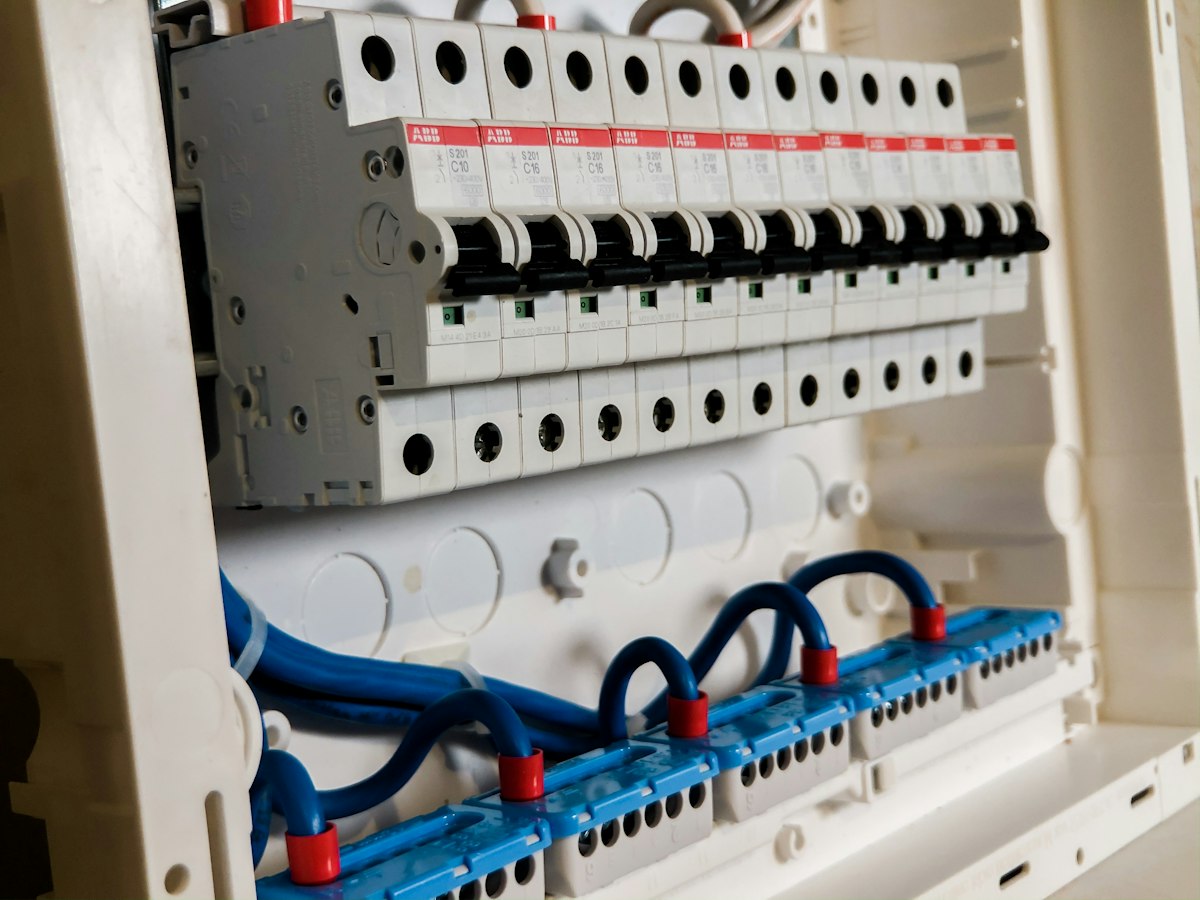
A home inspector flagged the electrical panel, you shrugged it off as one more line on a 60-page report, and now an underwriter wants it replaced before your policy can bind. That is how a Federal Pacific or Zinsco panel turns a closing-day footnote into a coverage problem, and the clock usually starts before you have unpacked.
The good news: this is a solvable problem with a predictable sequence. The homeowners who get stuck are the ones who fix the panel but can't prove it.
Why carriers ask about the panel
Federal Pacific Electric (FPE) panels, often labeled Stab-Lok, were installed in homes from roughly the 1950s through the 1980s. Zinsco panels were made from the 1970s into the early 1980s. Both have a long reputation among electricians and inspectors for breakers that may not trip when a circuit overloads. A breaker that doesn't trip is a fire risk that sits quietly until the day it matters.
Carriers price that risk. This is not a judgment about you or your house. It is a structural reality: an insurer can't see inside your wall, so it relies on a short list of known indicators. A panel brand on that list is one of them. Some carriers require replacement before they will issue or renew a policy. Others will write the policy with a condition or a surcharge. Requirements vary by carrier and by state, so ask yours directly instead of assuming.
Here's what most people don't know: there is no government recall on FPE equipment, which means no manufacturer-funded fix and no free replacement program. The cost, and the paperwork, land on you.
How to tell what you have (and what to photograph)
Open the panel door. The brand is usually printed on the door, the inside label, or the deadfront cover (the metal plate you see when the door opens). Look for "Federal Pacific," "FPE," "Stab-Lok," or "Zinsco." Do not remove the cover yourself. Only a licensed electrician should.
Take four photos now, before anything changes:
- The closed panel, showing where it sits in the home.
- The open door with the brand label and any inspection stickers.
- A close-up of the breaker handles and amperage ratings.
- Any date stamps or electrician notes written inside the door.
These "before" photos matter later. A carrier reviewing a replacement wants to see what was there and what is there now.
The usual sequence: found, conditioned, replaced, documented
Most files follow four steps. First, the panel is found, at a home inspection, a carrier's property survey, or a renewal review. Second, the carrier conditions coverage: replace within a set number of days, or the policy is not issued or renewed. Third, a licensed electrician replaces the panel under a permit. Fourth, the homeowner sends proof to the carrier.
The fourth step is where files stall. Electricians finish the job and move on. The homeowner assumes the permit office or the electrician told the carrier. Nobody did. Thirty days later the policy lapses or the condition stays open, and the homeowner is back on the phone with an agent.
Treat the paperwork as part of the job, not an afterthought. Ask the electrician for the documents before they leave your driveway.
What a carrier will accept as proof of replacement
Carriers differ, but the packet that clears most conditions looks like this:
- The permit and final inspection sign-off from your local building department. This is the strongest single document because a third party verified the work.
- An itemized electrician invoice showing the license number, the date, the new panel's brand and amperage, and the words "replaced" or "removed" in reference to the old panel.
- Dated "after" photos of the new panel with its label legible, matched to your "before" photos.
- The new panel's schedule or directory, the circuit list inside the door, filled in.
Send it all as one bundle with your policy number, and ask your agent to confirm in writing that the condition is cleared. A verbal "we got it" is not a record.
What it costs to wait until renewal
Quotes for a full panel replacement vary widely. Published ranges run from under $2,000 for a simple swap to $3,500 to $7,500 or more when the job includes a 200-amp upgrade, a new meter base, or service cable work. Your region, your service size, and what else the electrician finds all move the number. Get at least two written quotes.
Waiting has its own price. A carrier that conditions a policy at renewal gives you a short window. Electricians get busy in winter, permits take time, and a rushed job costs more than a planned one. If your panel is flagged at purchase, you have the most leverage you will ever have: you can ask the seller for a credit or negotiate the repair before closing. After closing, the bill is yours alone.
Replacing a panel can also open doors. Some carriers treat an updated panel as a plus. Others will write a home they declined before. Either way, you can only claim that benefit if you can prove the work was done.
A short checklist for the first 30 days
- Days 1 to 3: Photograph the panel and read your inspection report for any mention of panel brand, double-tapped breakers, or scorch marks.
- Days 3 to 7: Ask your agent exactly what the carrier requires and by when. Write down the answer and who gave it.
- Days 7 to 14: Collect two quotes from licensed electricians. Confirm the quote includes the permit and the inspection.
- Days 14 to 25: Schedule the work. Ask for the permit sign-off, invoice, and after photos on completion day.
- By day 30: Send the bundle to your agent and get written confirmation that the condition is cleared.
Where Rafter fits
The panel is rarely the only item on a new homeowner's list. It is usually one of a dozen, and the paperwork for each one lives in a different inbox. A Rafter assessment records your panel's brand, age, and condition early, flags it in a prioritized mitigation plan, and keeps the replacement record in one dated file: the permit, the electrician's invoice, and the before-and-after photos. When your carrier asks for proof, you send a single organized record instead of hunting through email.
Your next step: open your panel door today, take the four photos above, and start a Rafter assessment at rafterhome.com so the brand, the date, and every document that follows are on file before your carrier asks for them.