Spring Roof Assessment Guide: What Homeowners Must Know Before Storm Season
Learn what to inspect on your roof this spring, when age triggers insurance issues, and how documentation protects your claim—before carriers assess it first.
Spring Roof Assessment Guide: What Homeowners Must Know Before Storm Season
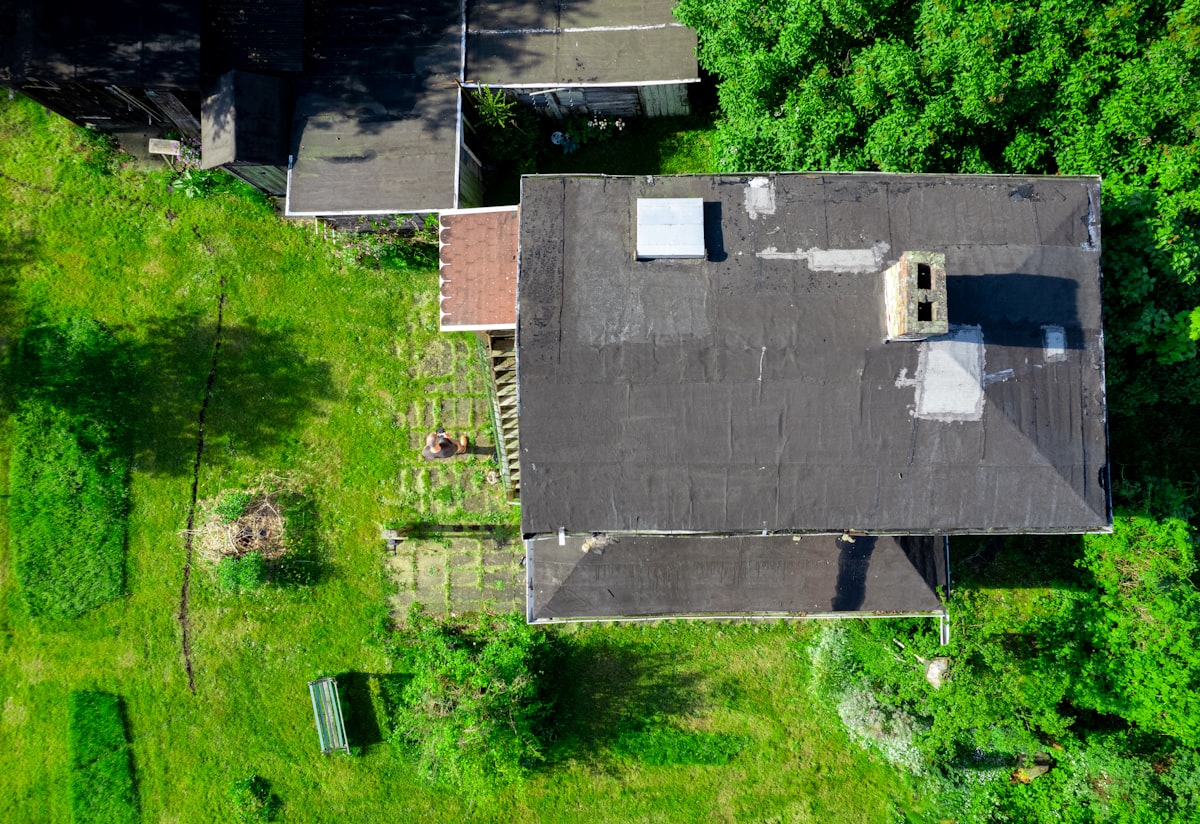
Your insurance carrier may already know more about your roof than you do. Satellite imagery, AI analysis, and aerial drone data have made it possible for insurers to assess your roof's condition at renewal — without ever knocking on your door. If your roof is aging, showing wear, or hasn't been inspected in years, that data is already working against you. The good news: getting ahead of it is straightforward, and the payoff is significant.
Why Your Insurance Company Cares About Your Roof (and Why You Should Too)
Roofs now represent more than 25% of all residential claim value in the U.S. In 2024, roof repair and replacement costs across the industry reached nearly $31 billion — up 30% from just three years earlier. That's not a rounding error. It's a structural shift in how carriers price and underwrite homes, and it's reshaping what happens at renewal time.
The result: roof condition has become a hard underwriting criterion at most major carriers. It's no longer just one factor among many — it's often the deciding factor. Carriers are declining renewals, switching policyholders from replacement cost to actual cash value (ACV) coverage, and applying surcharges based solely on roof age and condition. For homeowners, that means a roof issue can silently change your coverage without a single claim ever being filed.
Here's what most homeowners don't know: the premium gap between a newer roof and an aging one has widened dramatically. Between 2022 and 2025, the average annual premium difference between a roof under 5 years old and one between 11–15 years old grew from $49 to $155 — a 216% increase. That gap is expected to keep widening.
The Spring Assessment Checklist: What to Look For
Spring is the right time for a roof assessment because you're coming out of winter stress and heading into storm season. You want to know where you stand before the first major hailstorm does the inspection for you.
You can do a meaningful visual check from the ground with binoculars, or from your attic with a flashlight. You don't need to be a roofer to spot the major red flags. Here's what to look for:
- Missing, curling, or cracked shingles — These are the most visible signs of wear. Curling edges mean the shingles are losing their bond; missing shingles are immediate exposure points for water intrusion.
- Granule loss — Check your gutters. Asphalt shingles shed granules as they age, and a significant accumulation of grit in your downspouts means the shingles are nearing the end of their useful life.
- Sagging or soft spots — Visible dips in the roofline or soft areas when you press on boards near the attic indicate moisture damage or structural compromise underneath.
- Flashing condition — The metal strips around your chimney, skylights, and vents are common failure points. Look for rust, separation, or gaps where flashing meets the roof surface.
- Attic signs — From inside, look for daylight coming through the roof boards, dark streaks indicating moisture, or any active leaking. Water stains on insulation are a delayed signal that something has already been wrong for a while.
- Storm debris accumulation — Leaves and debris sitting on the roof hold moisture against the surface. Clear them in spring and check what's underneath.
If you see more than one or two of these issues, schedule a professional inspection. The average cost runs $150 to $500, with a national average around $248. That's a straightforward investment compared to what comes next if problems go unaddressed — a $600 shingle repair left unattended can easily become a $4,000+ interior damage claim.
When Roof Age Triggers Insurance Refusal (and How to Get Ahead of It)
Age alone — independent of actual condition — is now a trigger for underwriting action at most carriers. The thresholds vary, but the pattern is consistent:
At 15 years: Most standard carriers start requiring inspection documentation before renewal. Premiums typically carry a 10–20% surcharge, and some carriers will only write new policies on the home after a certified roof inspection.
At 20 years: Nearly 70% of carriers switch from replacement cost coverage to actual cash value (ACV). This is a material change that most homeowners don't notice until they file a claim. ACV pays what the roof is worth today — factoring in depreciation — not what it costs to replace it. On a 20-year-old roof, that gap can be tens of thousands of dollars.
At 25+ years: Roughly 40% of standard carriers will decline renewal regardless of condition. At 30 years, conventional coverage often becomes unavailable, pushing homeowners toward specialty insurers at significantly higher premiums.
The way to get ahead of this is simple: know your roof's age, know its condition, and have documentation that proves both. A proactive assessment — before your carrier orders one at renewal — gives you options. You can repair what's fixable, get documentation that supports your case, and avoid being caught off guard by a non-renewal letter.
If your roof is nearing any of these thresholds, spring is the right time to assess it. Not because storm season is coming (though it is), but because you want to be the one who knows first.
DIY vs. Professional Assessment: Which One Do You Need?
Not every spring check requires hiring someone. But knowing which situations call for a professional matters.
Do it yourself if: your roof is under 10 years old, you haven't had any major storms recently, and your visual inspection from the ground and attic shows no obvious red flags. Take photos, note what you see, and keep them on file. That documentation has value even when nothing is wrong.
Hire a professional if: your roof is 10 years or older, you've had significant storms (hail, high winds, ice dams) in the past year, you spotted anything concerning in your self-check, your insurer has flagged your roof at renewal, or you're buying or selling the home. A professional inspection provides a written report with photos — the kind of documentation that carries weight with your carrier.
There are a few types of professional inspections to know about. A standard visual inspection ($75–$200) covers the basics — surface condition, flashing, gutters, and visible wear. An attic inspection ($200–$500) adds a look at structural integrity, insulation, and moisture damage that's invisible from outside. A drone inspection ($200–$600) is increasingly common for steep or complex roofs where physical access is difficult. Some contractors also offer roof certifications ($75–$200) — a formal document stating the roof's condition and estimated remaining life. That certification can be submitted directly to your carrier to support your coverage position.
One note: after major hail or wind events, many contractors offer free post-storm inspections. If you've had a significant weather event this winter, it's worth calling before paying for an inspection out of pocket.
How a Strong Roof Condition Reduces Your Insurance Costs
A well-documented, well-maintained roof isn't just about avoiding problems. It's about qualifying for the pricing your home actually deserves.
New roof discounts typically range from 5% to 35% off your annual premium, with an average discount around 20%. On a $2,500 annual premium, that's up to $875 back per year. The discount isn't just for a brand new roof — carriers reward condition, materials, and documentation even on roofs that have been properly maintained.
Material matters too. If you're replacing an aging roof, the type of materials you choose will affect your insurance costs going forward. Impact-resistant shingles typically qualify for discounts of 5% to 30%, depending on your carrier and location. In hail-prone regions, that discount can be even larger. Metal roofing, with its long lifespan and fire resistance, can reduce premiums by 5–20% annually. Some states even offer grant programs for homeowners who upgrade to resilient roofing systems — Colorado recently created a program with $6.5 million in available funding for fiscal year 2025–26.
The key point: the roof replacement or repair you've been deferring may actually pay for itself faster than you think, once you factor in premium reductions, improved ACV vs. RCV coverage, and reduced risk of a non-renewal.
Document Everything: Why Your Assessment Photos Matter for Claims
Here's a scenario that plays out more often than most homeowners realize: a storm hits, a homeowner files a claim, and the carrier denies it — not because the damage isn't real, but because there's no documentation of what the roof looked like before the event. The carrier argues the damage is pre-existing. Without proof otherwise, the homeowner has little recourse.
Documentation changes that equation. Before-and-after photos are the clearest evidence of when damage occurred. A timestamped photo of your roof in March — before storm season — establishes a baseline. If a June hailstorm causes damage, that March photo is evidence the damage wasn't pre-existing.
What to document and keep on file:
- Date-stamped photos of the full roof (all sides), taken from ground level and from the attic
- Close-up photos of any areas showing wear, repair, or recent work
- Any professional inspection reports, including the inspector's name, date, and findings
- Receipts and permits for any roof work, including minor repairs
- Contractor warranties, if applicable
- Post-storm photos taken immediately after any significant weather event
This file doesn't need to be elaborate — a folder on your phone or computer with labeled photos and scanned receipts is enough. The point is having it when you need it.
Carriers increasingly use aerial imagery and AI analysis at renewal to assess roof condition. When that assessment flags your roof, the homeowner who has documentation — inspection reports, photos, maintenance records — is in a fundamentally different position than the one who doesn't. One has evidence. The other has an argument.
The Next Step: A Spring Assessment on Your Terms
The carriers are already gathering data on your roof. The question is whether you have data too.
A spring assessment isn't just maintenance — it's preparation. It's knowing where you stand before your carrier does. It's identifying what's fixable before it becomes uninsurable. And it's building the documentation record that protects your claim before the storm ever hits.
Rafter's AI-powered home risk assessment gives you exactly this kind of visibility — identifying roof and home risk factors, generating a prioritized mitigation plan, and helping you build the documentation record that supports your coverage at renewal. Homeowners who complete a Rafter assessment head into storm season knowing what their carrier will see — and knowing they're ahead of it. Start your Rafter assessment today before storm season begins.