Insurance Premium Increases Are Structural — Here's How to Build a Home That Fights Back
Premiums are rising for the 5th straight year. Here's how to make your home a structurally lower-risk property — and document it so it actually counts.

The average U.S. homeowners insurance premium crossed $3,057 in 2026 — the fifth consecutive year of increases, with projections pointing to another 8% jump before the year is out. Deductibles rose 22% last year. Eighty-two percent of homeowners expect another hike in the next twelve months. Shopping around used to be the standard advice. In 2026, it's mostly theater — because the problem isn't your carrier. It's your home's risk profile as it looks on paper.
The durable way to fight premium increases isn't finding a cheaper policy. It's becoming a structurally lower-risk property — and documenting it well enough that an underwriter can see the difference.
Why Shopping Around Only Moves the Problem
Here's what most premium advice misses: every national and standard carrier is pulling risk data from similar sources. Roof age, claims history, zip-code loss ratios, property condition indicators, protective device presence. When you switch carriers, you don't change the inputs. You just move them to a different pricing model — and the new carrier's model is responding to the same climate losses, reinsurance costs, and reconstruction inflation as the last one.
That's why the "save 20% by switching" pitch produces short-term wins that evaporate by year two. You got a new-customer discount. The underlying risk didn't change. When your new carrier re-rates you at renewal, you're back where you started — often with a worse renewal because your switching pattern itself is a signal.
The homeowners who pay measurably less over five- and ten-year windows aren't the ones with the best shopping habits. They're the ones whose homes look lower-risk on the inputs themselves. That's the leverage point almost no one talks about, and it's the only one that compounds.
The Home Characteristics That Drive the Largest Premium Variances
Carriers don't price every house on your block the same way. Two homes with identical square footage and zip code can have premiums that differ by 30% or more — and most of that spread is driven by a short list of property characteristics you can actually influence.
The biggest drivers, in rough order: roof age and material class, water damage risk signals (plumbing age, basement exposure, prior water claims), electrical system age and condition, the presence and documentation of protective devices, and maintenance history. Notice what's missing from that list: square footage, finishes, and cosmetic upgrades. A renovated kitchen doesn't move your premium. A Class 4 impact-resistant roof does.
Here's what most homeowners don't know: many carriers will quietly re-rate a property mid-policy-period if they receive updated property data through an aerial imagery vendor or a claim investigation. The inputs matter continuously, not just at renewal. Which is why the improvements that change your inputs pay off whether or not you remember to ask for a discount.
Roof Upgrades: The Highest-ROI Insurance Investment
If you do exactly one thing to lower your premium over the next five years, upgrade your roof to a Class 4 impact-resistant system when your current roof is due for replacement. The discounts are meaningful — most carriers offer 10% to 35% off the roof portion of your premium, with 15–25% being the typical range — and the documentation, once filed, sticks for the life of the roof.
The math works even when you're not due for a replacement. Roof age is the single most common non-renewal trigger in the country right now. If your roof is in the 15–20 year window, you're already in carrier crosshairs regardless of condition. Accelerating a replacement by two or three years to hit a Class 4 upgrade can prevent the non-renewal entirely — and the insurance savings alone often cover 30–50% of the incremental cost over the life of the roof.
A few things to know: the product must be UL-certified Class 4. Installation must be done by a qualified contractor. And you must submit the product specifications and installation certification to your carrier to trigger the discount. Carriers don't apply it automatically. If you upgraded your roof and never sent the paperwork, you're paying as if you didn't.
Water Mitigation Devices: Fast Payback, Long-Term Savings
Water damage is now 29.4% of all homeowners insurance claims, with an average payout of $13,954. That's why carriers are leaning hard into protective device discounts for water mitigation — and why this category has some of the fastest payback of any insurance investment you can make.
The three devices that matter: whole-home leak detection with automatic shutoff (typically 5–15% premium reduction depending on carrier, with some programs offering 50% off a portion of the premium), point-of-leak sensors at appliance supply lines, and pipe freeze sensors on exterior walls and unheated spaces. Total hardware cost for a comprehensive setup is typically $500–$2,500 installed.
Here's the structural shift you need to know about: several carriers have started requiring qualifying water leak detection devices on certain new policies — particularly for older homes in higher water-risk territories. What was a discount eighteen months ago is becoming a condition of coverage in 2026. If you install ahead of the requirement, you capture the discount. If you wait until your carrier requires it, you install anyway and capture nothing. The window to treat this as a savings opportunity is closing fast.
Electrical and HVAC Updates That Signal Lower Risk to Underwriters
Electrical and HVAC systems don't produce headline-grabbing discounts the way roofs and water devices do. But they show up in underwriting decisions in ways most homeowners don't see — and replacing an aging panel or furnace before it generates a claim is one of the cheapest ways to keep a preferred rate.
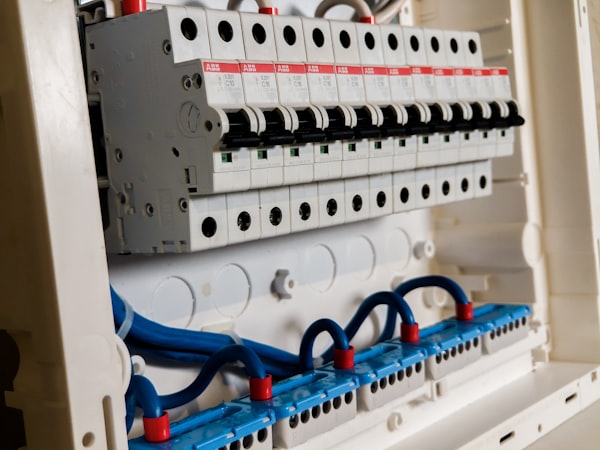
Federal Pacific and Zinsco panels, knob-and-tube wiring, aluminum branch wiring, and 60-amp service are all active non-renewal triggers for many carriers. If you have any of these, you're either already being surcharged or you're one inspection away from a coverage conversation. A 200-amp panel upgrade with modern breakers typically runs $2,500–$4,000 and takes a property from "flagged" to "preferred" on the electrical line of the underwriting file.
On HVAC: a furnace or boiler over 20 years old is a flag for carbon monoxide and fire risk. A water heater over 10 years old is a flag for water damage risk. Neither of these will save you a headline discount percentage, but they shift your property from "questions being asked" to "no questions being asked" — and that's worth more than most discounts over a 5-year window.
The Documentation Step That Makes Every Improvement Count
Here's the hardest part to hear: most of the premium-lowering improvements homeowners make never actually lower their premium. Not because the improvements don't qualify, but because the homeowner never documented them in a way the carrier could use.
Carriers need three things to apply a discount or re-rate: proof that the improvement was made (installation receipts, permits, product specifications), proof it meets the qualifying standard (UL certifications, model numbers, contractor credentials), and proof it's being maintained (inspection records, ongoing device health). Miss any one of those, and the improvement is invisible at renewal.
The other thing carriers increasingly want: a time-stamped record of property condition. This is the gap that costs homeowners the most. You can have the newest roof on the block, but if an adjuster shows up after a storm and can't distinguish hail damage from pre-existing wear, your claim gets reduced or denied. Documented baseline condition turns a dispute into a settlement.
This is where Rafter comes in. Rafter is an AI-powered home risk assessment that identifies the specific property characteristics driving your risk profile, prioritizes the improvements with the highest premium and claim-defensibility impact for your home, and creates the documented record that makes every improvement count with your carrier. You get a property-specific action plan — not a generic checklist — and the paperwork your underwriter actually wants to see. The homeowners who treat premium increases as a shopping problem stay stuck. The ones who treat it as a risk profile problem — and document accordingly — are the ones who get off the premium escalator.
Start with a Rafter assessment. You'll know within days which improvements move the needle for your specific home, what the expected premium impact is, and exactly what to send your carrier to make it stick.